Entry · Ref 9XGVNLAX
Understanding California DUI Penalties and What They Mean for You
- Posted
- 2026-10-28
- Last amended
- 2026-10-28
- Account
- @californiaduipenaltiesstore
Facing a DUI in California: More Than a Ticket
Getting pulled over after a few drinks can turn an ordinary evening into a legal ordeal. In California, the consequences of a DUI arrest reach far beyond the traffic stop itself. The state treats driving under the influence seriously, and the penalties reflect that. Whether it's your first offense or you have a prior conviction, the process involves the courts, the DMV, and a series of administrative steps that can disrupt your life for months or even years.
I've spent years watching clients walk through this process, and the most common mistake I see is underestimating what's at stake. People assume that a first-time DUI is a minor traffic infraction. It's not. It's a misdemeanor that carries jail time, fines, license restrictions, and mandatory education programs. And if someone was injured or killed, the charges can escalate to a felony DUI with far more severe consequences. Understanding california dui penalties is the first step toward protecting your rights and your future.
The Immediate Aftermath: Chemical Tests and the DMV
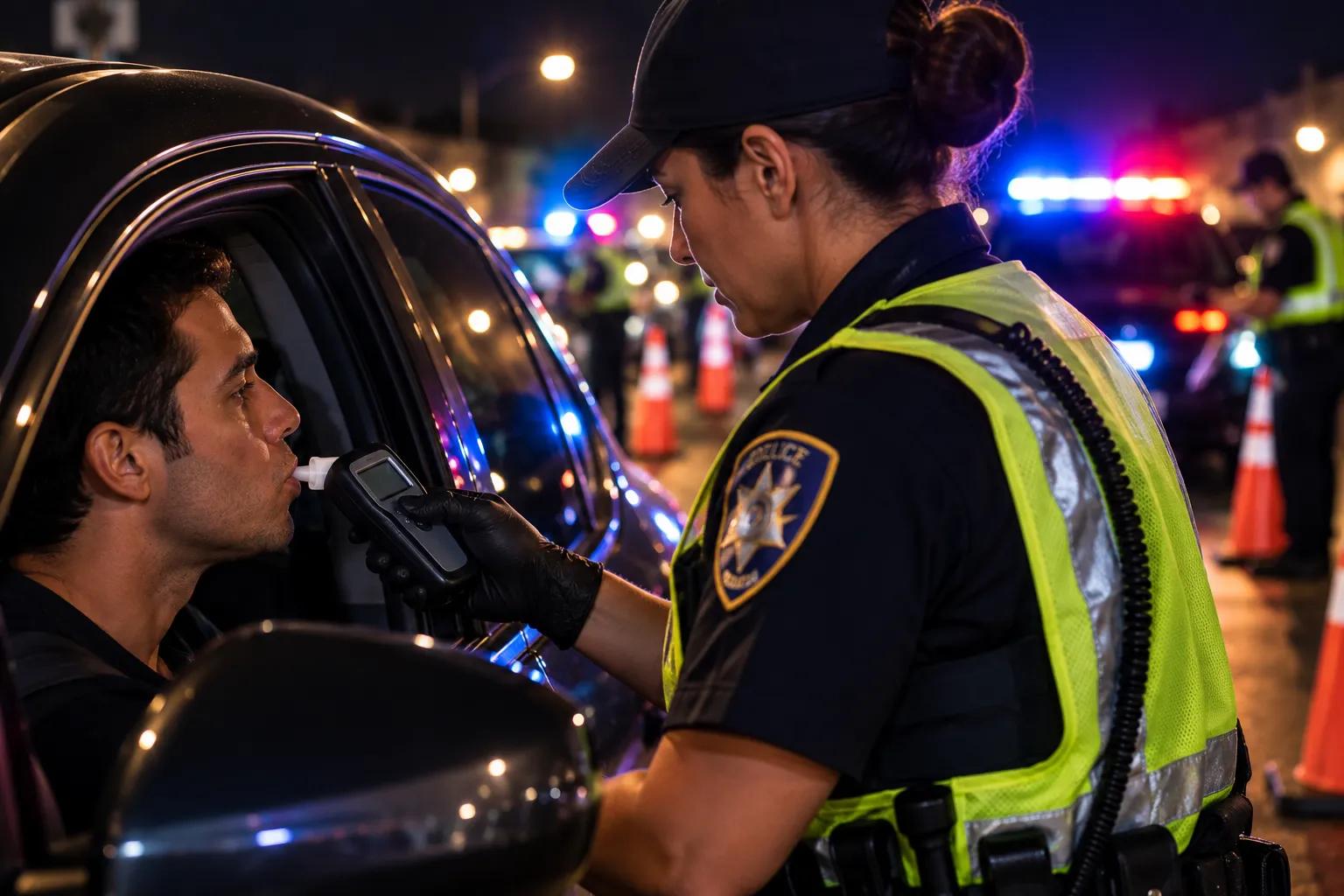
When you're arrested on suspicion of DUI, the officer will likely ask you to submit to a chemical test. This could be a breath test, blood test, or urine test. California's implied consent law means that by holding a driver's license, you've already agreed to submit to these tests. If you refuse, you face an automatic license suspension, separate from any criminal penalties. That refusal can also be used against you in court.
The DMV has its own set of rules that run parallel to the criminal court process. You have only ten days from the date of your arrest to request a DMV hearing. Miss that window, and your license will be suspended automatically. At the hearing, the DMV reviews whether the officer had reasonable cause to stop you, whether you were lawfully arrested, and whether your blood alcohol content exceeded the legal limit of 0.08%. The DMV can suspend your license even if the criminal case is eventually dismissed.
This is why many people hire a DUI attorney early. A skilled attorney can challenge both the DMV's evidence and the criminal charges. Sometimes they can negotiate a restricted license that allows you to drive to work or school, but only if you act quickly.
First-Offense DUI: What You're Really Looking At
For a first DUI with no injuries and a blood alcohol content under 0.15%, the standard penalties are fairly predictable. You're looking at three to five years of informal probation, a fine that can reach $2,000 plus penalty assessments, and a mandatory DUI school program that lasts three months. You'll also need to install an ignition interlock device on your vehicle. This device requires you to blow into a breathalyzer before the car starts, and it's not optional. California now requires it for most DUI convictions.
Jail time is possible, though not always mandatory. The law allows for up to six months in county jail, but judges often substitute community service or work release programs. Still, the possibility of jail is real, and it's one of the reasons people take a DUI seriously. The court may also order you to attend a victim impact panel, where you hear from people affected by drunk driving accidents.
Beyond the criminal side, you'll deal with the DMV. A first offense typically carries a six-month license suspension, but you can often get a restricted license after 30 days if you enroll in a DUI program and show proof of SR-22 insurance. SR-22 is a certificate from your insurance company confirming you carry the required liability coverage. It's not cheap, and it stays on your record for three years.
When Penalties Escalate: Aggravating Factors
California DUI penalties are not one-size-fits-all. Several factors can push your case into more serious territory. A blood alcohol content of 0.15% or higher triggers enhanced penalties, including a longer DUI school requirement and possibly more jail time. If you were driving with a child in the car, that's another enhancement. If you caused an accident, especially one involving injury or death, the charges can become a felony.
A prior conviction changes everything. A second DUI within ten years of the first carries mandatory jail time, a longer license suspension, and a more intensive DUI program. A third offense can be charged as a felony, especially if there are other aggravating circumstances. Felony DUI convictions bring state prison time, substantial fines, and a permanent criminal record that can affect employment, housing, and professional licenses.
One thing many people don't realize is that the DMV's actions are separate from the court's. Even if you fight the criminal charges and win, the DMV can still suspend your license based on the arrest itself. That's why you need to handle both fronts simultaneously. An experienced criminal defense attorney will address both the court case and the DMV hearing.
The Role of Sobriety Checkpoints and Field Tests
Police officers use several tools to identify impaired drivers. Sobriety checkpoints are common in California, especially on weekends and holidays. At these checkpoints, officers stop every car or use a pattern, like every third vehicle. They look for signs of intoxication, such as the smell of alcohol, slurred speech, or watery eyes. If they suspect you've been drinking, they'll ask you to pull aside for further testing.

Field sobriety tests are voluntary in the legal sense, but refusing them can have consequences. These tests include the walk-and-turn, the one-leg stand, and the horizontal gaze nystagmus test, where the officer watches your eyes follow a pen. The problem is that these tests are subjective and can be influenced by nervousness, fatigue, or physical conditions. Many attorneys argue that field sobriety tests are unreliable, and judges sometimes agree. If the officer lacked probable cause for the stop or the tests were administered improperly, evidence may be suppressed.
You have the right to refuse field sobriety tests, but you cannot refuse the chemical test without triggering the implied consent penalty. That's a critical distinction. The chemical test is mandatory, and refusal leads to an automatic one-year license suspension, or longer for repeat offenses.
DUI Court and Probation: What's Expected of You
Once you're convicted, the court will impose probation. For most DUI cases, that means informal probation, which doesn't require regular meetings with a probation officer. But you still have conditions to follow. You must not drive with any measurable alcohol in your system, even if it's below the legal limit. You must complete your DUI program on time. You must pay all fines and fees. And you must install and maintain the ignition interlock device. Violating any of these terms can result in a probation violation, which could mean jail time.
In some counties, DUI court is a separate program for repeat offenders or those with high blood alcohol levels. DUI court is more intensive, with frequent court appearances, drug testing, and mandatory treatment. It's designed to address underlying issues, but it's also more demanding. If you're offered DUI court, it's often because the judge believes you need more oversight.
Long-Term Consequences: Expungement and Beyond
A DUI conviction stays on your criminal record forever, unless you take steps to have it expunged. Expungement is possible in many cases, but it's not automatic. You must complete your sentence, including probation and any programs, and then petition the court. If the judge approves, the conviction is reclassified as dismissed, though it still appears on background checks in some contexts. It's worth doing, because a clean record can make a difference in job applications and housing.
Even after expungement, the DMV record remains. Insurance companies will see the DUI for years, and your rates will reflect that. The ignition interlock requirement typically lasts for a specific period, and SR-22 insurance is mandatory for three years. The financial impact of a DUI can be staggering. Between fines, legal fees, insurance increases, and the cost of the interlock device, a single DUI can easily cost $15,000 or more.
Why You Need a Defense Strategy
Given the complexity of california dui penalties, it's easy to feel overwhelmed. But you don't have to face it alone. A DUI attorney who understands the nuances of California Vehicle Code can make a real difference. They can challenge the traffic stop, question the accuracy of the chemical test, and negotiate with the prosecutor for reduced charges. In some cases, they can get the charges reduced to a wet reckless, which is a lesser offense with lighter penalties.

The key is to act fast. The DMV deadline is tight, and evidence can disappear. Witnesses move, dashcam footage gets overwritten, and memories fade. An attorney who gets involved early can preserve the evidence and build a defense before the case solidifies.
No one plans for a DUI. It happens in a moment of poor judgment or a miscalculated drink. But how you respond matters. The system is complicated, and the stakes are high. Understanding what you're up against and getting the right legal help can mean the difference between a minor setback and a life-changing conviction.
If you or someone you know is facing a DUI charge, take it seriously. Talk to a criminal defense lawyer who handles DUI cases regularly. Ask questions, understand your options, and don't let fear or embarrassment keep you from protecting your future. The road ahead is difficult, but it's not impossible to navigate with the right guidance.